

Mountaineers are always free—except when it comes to accessing affordable energy.
Every day, West Virginians across the state struggle to pay their monthly electric bills and put food on the table for their families. Balancing both responsibilities only becomes harder as electric rates continue to rise. Greedy, out-of-state power companies are padding their wallets while thousands of Mountaineers can barely make ends meet.
West Virginians should have the freedom to invest in and benefit from locally-owned, renewable, and efficient energy technology.

-
Our monopoly-driven energy market makes us extremely vulnerable to rate hikes, fuel shortages, and power outages. With the addition of locally-owned renewable energy sources, there will be more opportunities for our region to thrive and flourish through increased economic development, job creation, and sustainability.

-
Renewable energy sources can provide access to clean energy, lower energy costs, create jobs, promote economic development, foster community engagement, and make us more self-reliant.
-
Energy efficiency will help us become more self-sufficient and revitalize our communities by creating jobs that can’t be exported across state lines. Additionally, it will improve the safety, comfort, and efficiency of homes, businesses, and schools at the same pace as the rest of the country.
Take action
There’s clear evidence that greater freedom and competition would serve everyone: businesses, manufacturers, farms, schools, churches, communities, homeowners, and renters alike. By joining the movement for energy freedom, you can keep up with what’s happening at the West Virginia Public Service Commission and take action!
News and Updates
The West Virginians for Energy Freedom coalition welcomes changes addressing electricity affordability concerns, urges Legislature to keep ratepayers first
More than 1,000 residents back Ratepayer Bill of Rights as public support grows for stronger consumer protections

Residents and consumer advocates warn proposed power plant rules could force families to pay more for unnecessarily expensive electricity

New programs can help families lower energy use and build West Virginia’s energy-efficiency workforce
A major proposed transmission line through West Virginia is getting another look. PSC staff has recommended pausing the MidAtlantic Resiliency Link case for at least 60 days, citing changes to the proposed route, impacts on additional landowners, and questions about who should ultimately pay for the project.
In this short video, WV4EF organizer Leah Knicely explains what’s happening, what the PSC staff recommended, and why the case matters for West Virginia ratepayers.
At the heart of the issue is a question we're going to hear more often as energy demand grows: Should West Virginia families pay for infrastructure built to serve large new energy users — or should those customers pay their fair share?
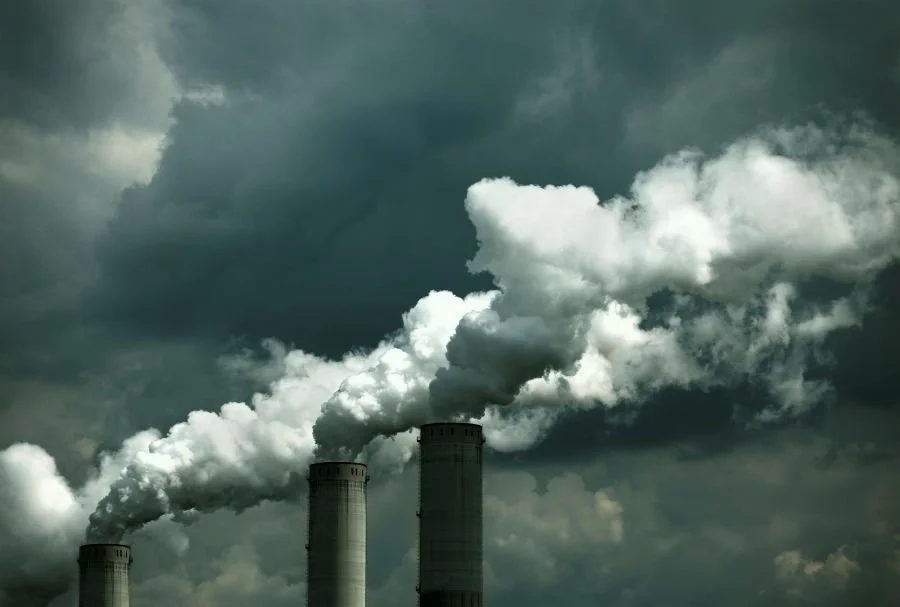
West Virginians for Energy Freedom (WV4EF) is urging residents across the state to speak out against proposed Public Service Commission (PSC) rules that could increase electric bills by requiring utilities to run higher-cost power plants even when less expensive electricity is available on the regional market.
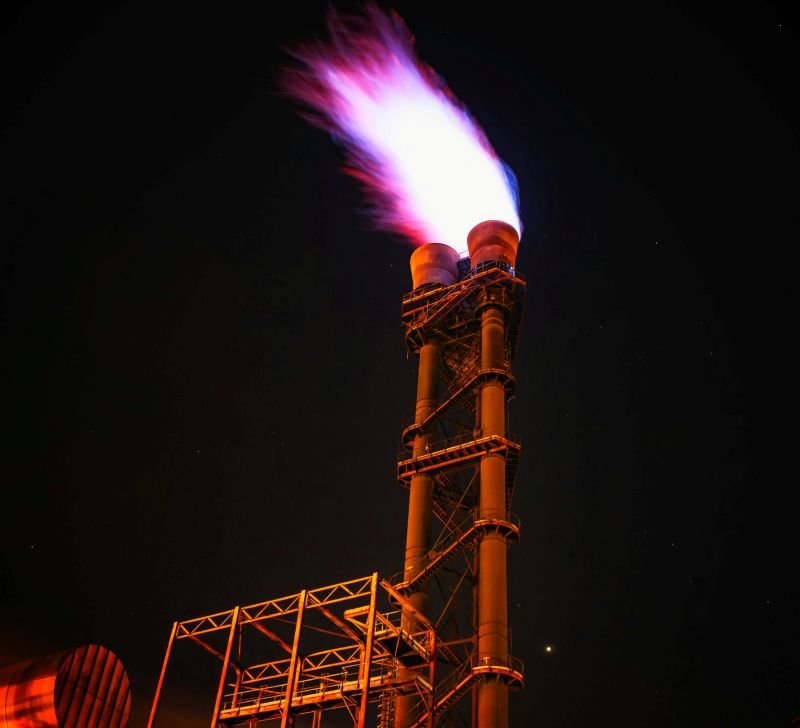
The companies are asking you to approve a new 1,200-megawatt gas plant with an estimated cost of approximately $2.48 billion. That's an enormous investment that will affect our electric bills for decades.
If you pay an electric bill to MonPower, you have a chance to tell our Public
Service Commission to Just Say No

Appalachian Power customers in the state saw an increase to their bills as the calendar turned to June on Monday.
Appalachian Power announced May 12 that the Public Service Commission (PSC) approved its inflationary increase proposal of $4.84 per 1,000 kilowatts used, effective June 1. The approval was contingent upon Appalachian Power not filing for a base rate increase again until after June 2027.
West Virginians for Energy Freedom is disappointed to see yet another increase to electric bills for Appalachian Power customers, especially at a time when many families are already struggling with rising costs across the board.
MonPower and Potomac Edison’s Integrated Resource Plan (IRP) proceeding has reached a settlement of most interested parties, but significant concerns remain for West Virginia ratepayers.
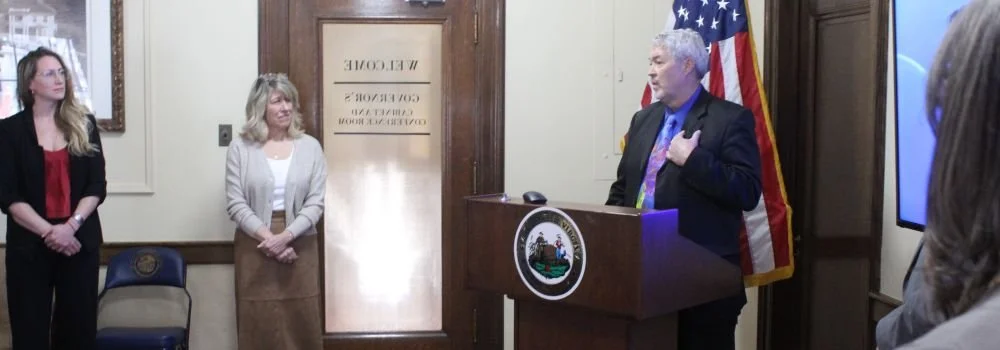
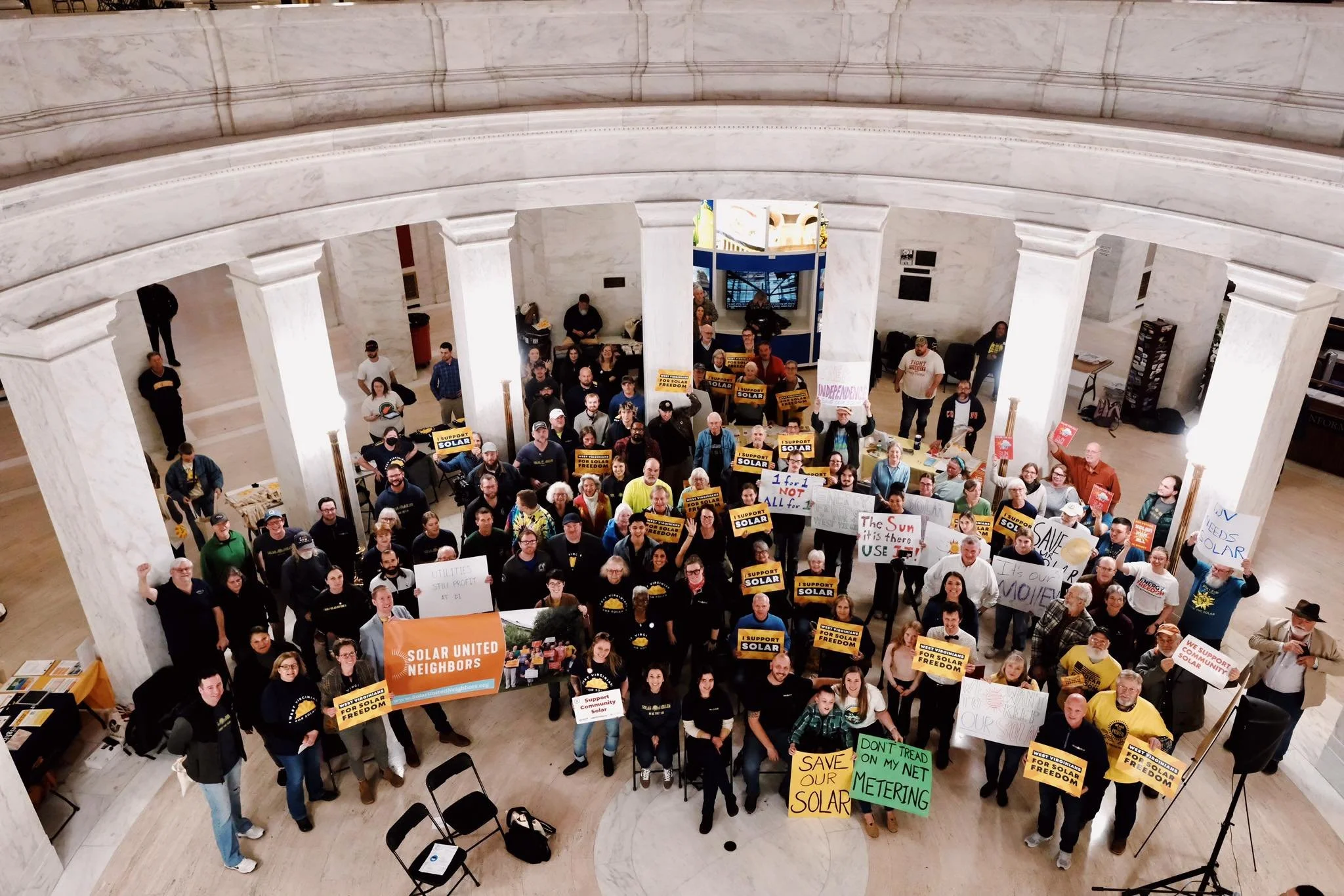
CHARLESTON, West Virginia – The West Virginia Public Service Commission (PSC) has ruled on a proposed large rate increase case that implicates customer bills and policies that affect how customer-owned solar power would work. By an order entered late on Thursday, August 28, 2025, the PSC decided how some utility programs will work for customers and made decisions on what AEP’s West Virginia utilities will be allowed to charge to ratepayers. West Virginia Citizen Action Group (WV CAG), Solar United Neighbors (SUN) and Energy Efficient West Virginia (EEWV; collectively WV CAG/SUN/EEWV, or CSE) intervened in the case.
The overall rate impact was slashed by the PSC from $250 million to about $76 million. The actual rates impact will be delayed and the exact increase will not occur until later. In addition, there are several significant reductions in costs that will be passed along to ratepayers. What was ruled on in today’s order will have significant impacts to ratepayers who wish to take control of their energy bills. WV CAG/SUN/EEWV advocated for, and won, nearly all of its positions.

Consumer advocates argue that West Virginia electric customers should not be held financially responsible for bad business decisions by two American Electric Power subsidiaries when purchasing more coal than needed for their power plants.

by Curtis Tate
New testimony in an Appalachian Power case before the West Virginia Public Service Commission reveals Appalachian Power lost more running its three coal plants in 2024 and this year than it previously told state regulators, and the losses are forecast to continue into next year.

For thousands of low-income customers of Appalachian Power Company and Wheeling Power Company (AEP), affording basic electricity service is a constant struggle rather than a given. In vast swaths of the company’s service territory, residents pay far more than the national average to keep the lights on.1 To make matters worse, there are currently two pending proposals to increase the rates of AEP customers.

The West Virginia Public Service Commission published a column from its chairman, Charlotte Lane, on June 26 titled, “Happy Birthday, America.” What starts off as a festive nod to Independence Day, though, quickly turns into an embrace of West Virginia’s coal dependence.
Lane signals support for President Donald Trump and West Virginia Gov. Patrick Morrisey's administrations being “committed to promoting coal as a domestic energy source” before acknowledging that “the resurrection of coal may take a little time as we work through new incentives from Washington and at the local level.”

CHARLESTON — Results from a new survey show that West Virginians are ready to declare their independence from higher electric rates, fossil fuels, and utility regulators. And a proposed bill of rights could help ratepayers secure their rights.
Representatives of West Virginians for Energy Freedom held a conference call Tuesday afternoon to go over the results of a survey conducted by Echelon Insights with 500 registered voters in the state between March 29 and April 1 regarding their perceptions about electric rates and energy.
CHARLESTON, W.Va. (WOWK) – On this week’s episode of Inside West Virginia Politics, our guests join Rick Johnson to discuss [other topics and…] the findings from an energy poll in West Virginia.

A new poll of West Virginia voters reveals overwhelming public demand for lower energy costs, more access to renewable energy, and stronger accountability from utility companies. The West Virginians for Energy Freedom coalition today launched a bold new Ratepayers’ Bill of Rights to empower consumers and promote fair, affordable, and transparent utility service and policies, addressing the needs of West Virginians.

As West Virginians struggle to keep up with the rising power bills, some are considering using solar. However, the proposal by Appalachian Power and Wheeling Power to cut its solar credit may be discouraging.
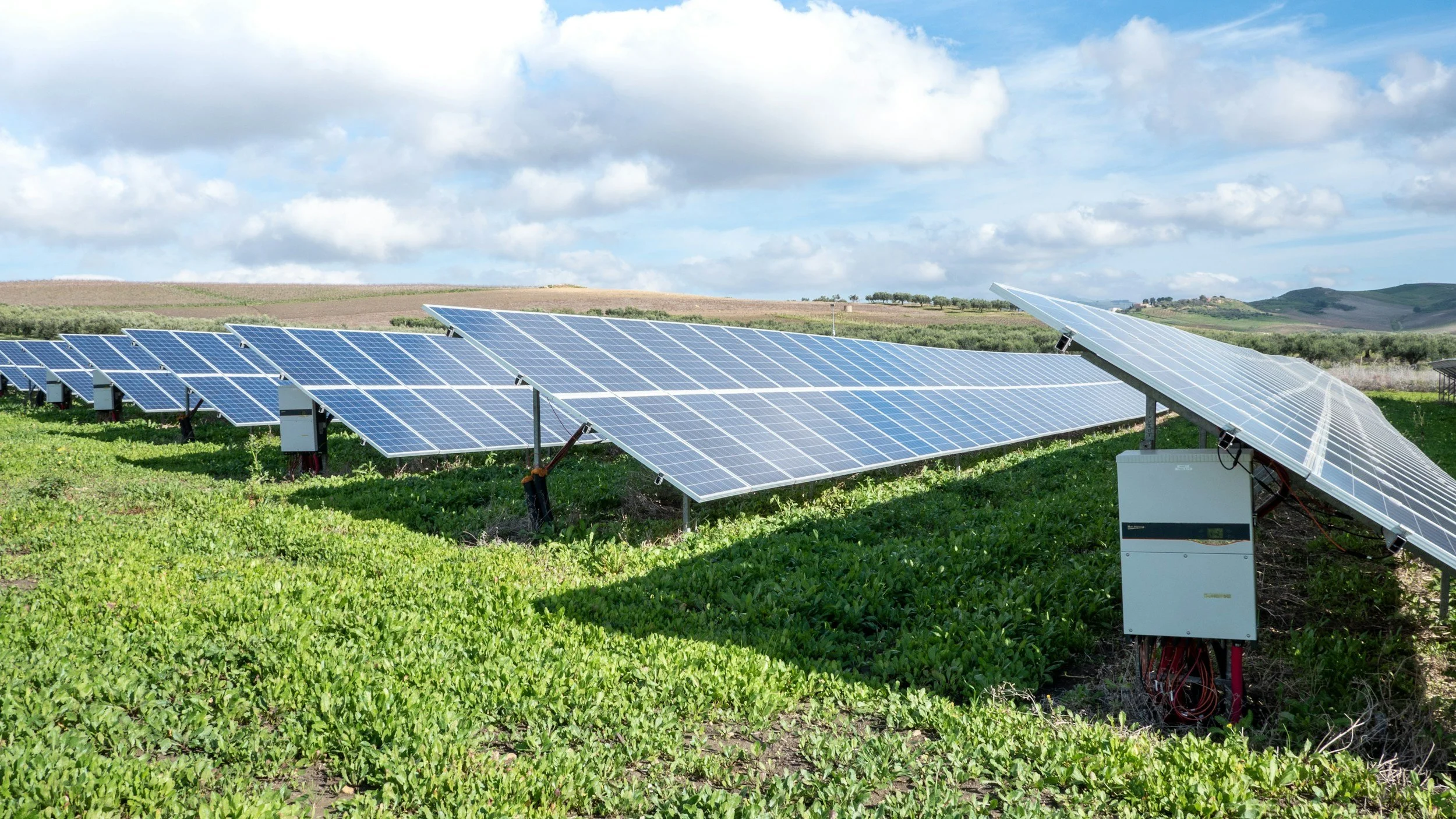
Appalachian Power and Wheeling Power, subsidiaries of the national utility American Energy Power, are asking West Virginia energy regulators to approve a settlement allowing them to raise rates and make changes to net metering for owners of rooftop solar panels.

On Tuesday, June 17, West Virginians from across the state will take action in response to Appalachian Power and Wheeling Power’s proposed base rate increase and drastic cuts to rooftop solar compensation. Residents will gather at a rally outside the Public Service Commission (PSC) in Charleston and at a community streaming and speaking event at the Ohio County Public Library in Wheeling to oppose the rate hike and support access to solar and energy freedom.
by Curtis Tate
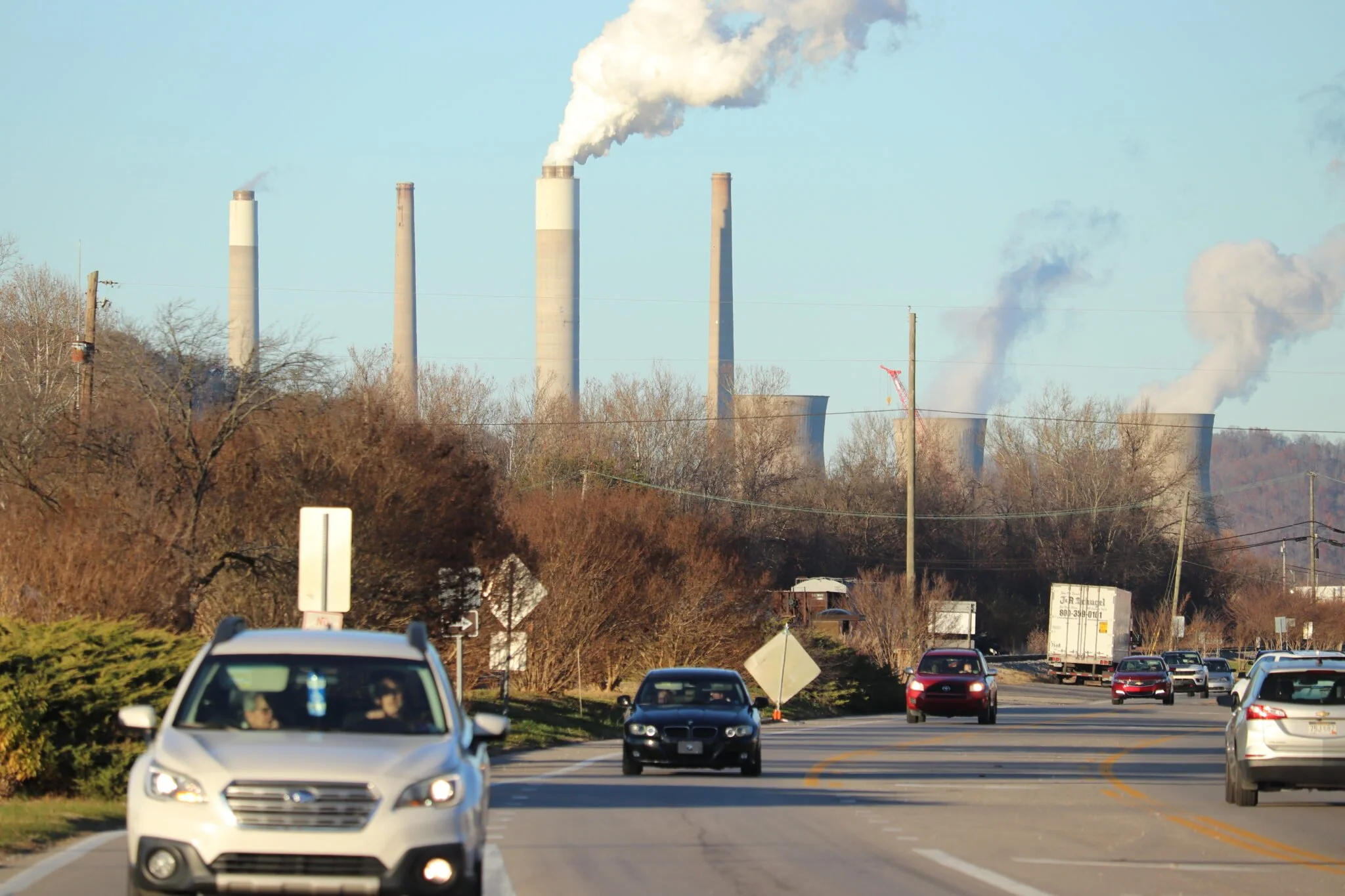
The cost to generate electricity from coal has increased faster than the rate of inflation, a new report found.
It was 28% more expensive to generate electricity from coal last year than it was in 2021, according to an analysis by Energy Innovation Policy and Technology.
Electricity customers paid more than $6 billion more for the same amount of coal power in 2024 than they did in 2021.

By Curtis Tate
The West Virginia Public Service Commission will hold a public comment hearing on Appalachian Power’s latest rate increase proposal.

Over the past 15 years, West Virginians have been shelling out more of their income each month on electricity bills. Now, as lawmakers continue to push a reliance on coal, with support from the Trump administration, advocates say they are worried about residents' bottom line.

Appalachian Power continues to have high inventories of coal at its West Virginia plants, and that’s costing the company and electricity customers.
The company asked the Public Service Commission on Tuesday to recover $71.6 million in fuel costs for the 12-month period ending in February.
If approved, the average residential electricity customer would pay about $5 more a month.
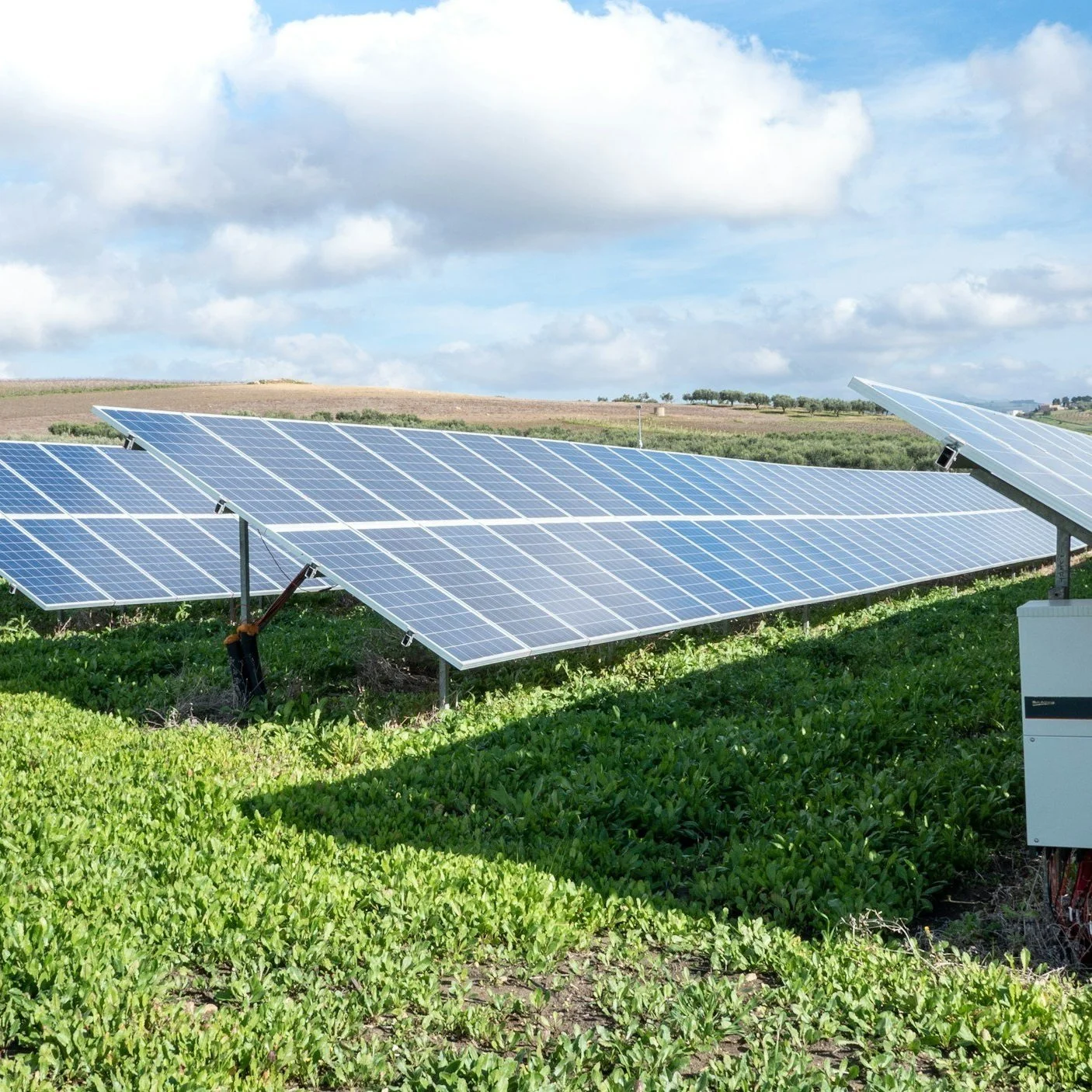
The growth of solar has pushed renewables past coal in the regional grid that includes West Virginia.

A West Virginia-based company has reached a milestone of more than $100 million contracts since 2022.